







Search Results for: Price Difference
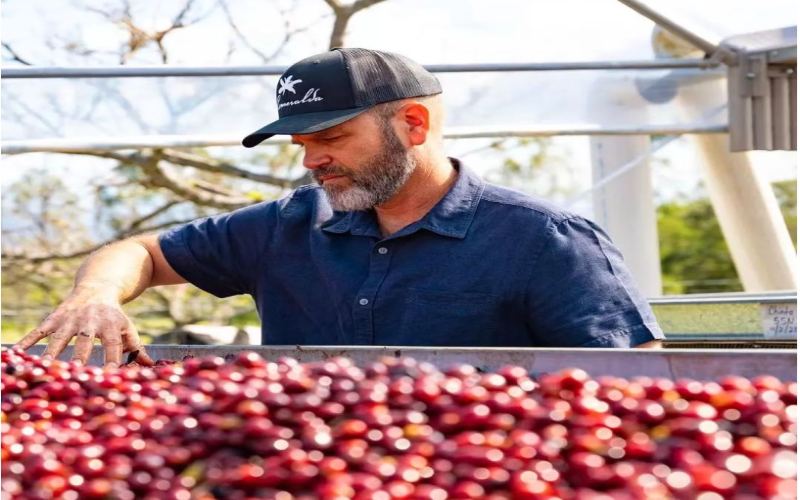
Why is Geisha coffee beans so expensive? Understand the price of Geisha coffee beans.
Geisha has made a big splash in recent years, and under the pursuit of enthusiasts, its price seems to be creating a historical high every year. With this kind of information, exactly what price should the Geisha coffee beans you buy reach before it [more…]
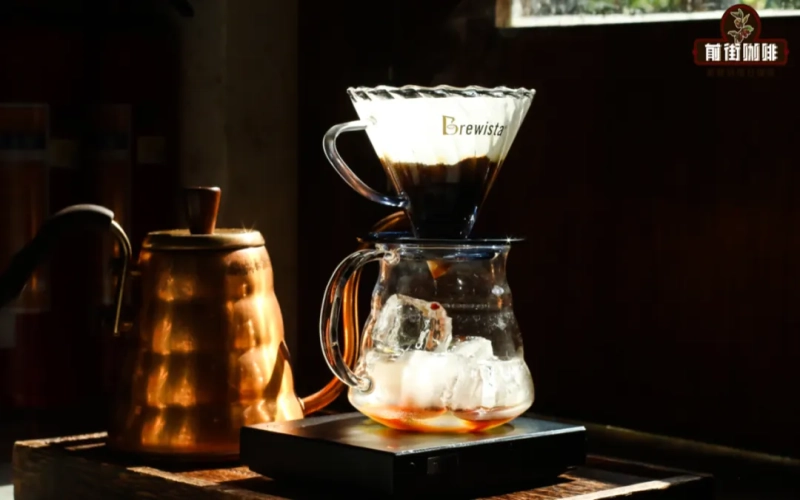
An Analysis of the Price Difference Between Iced and Hot Coffee, and the Complete Method for Japanese-Style Iced Pour-Over
Why is iced coffee often more expensive than hot coffee? Drawing on Front Street Coffee's production experience, this article sorts out two core questions about iced pour-over coffee: how to determine the coffee-to-water-to-ice ratio, and what difference adding ice first versus adding ice later makes. It also introduces the types of coffee beans suitable for making iced pour-over and gives Front Street's specific recommended products, including Yirgacheffe G1, Huakui, Cherry Tomato, Butterfly, Xizhua, and Strawberry Candy. The article also explains the need to adjust the grind size, as well as two alternative cooling methods—the over-ice method and the ice-bath cooling method—making it a useful reference for coffee enthusiasts to put into practice. [more…]
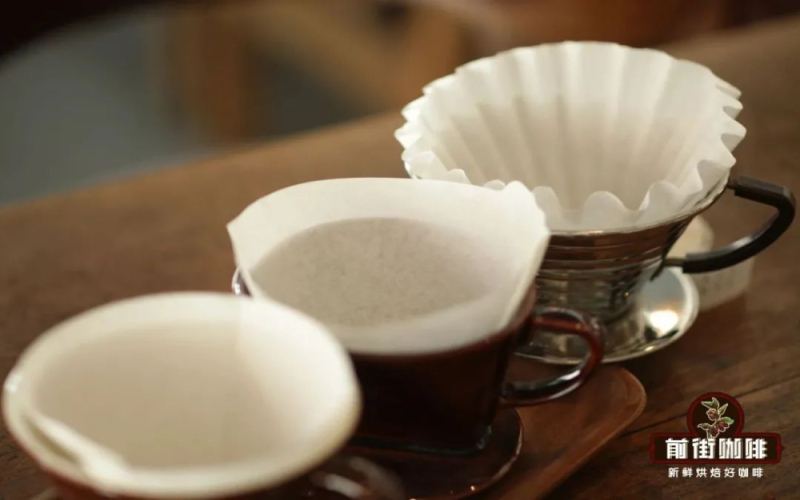
Pour-Over Coffee Filter Paper Buying Guide: Filter Cone Compatibility, Price Ranges, and the Difference Between Bleached and Unbleached Explained
In the daily practice of pour-over coffee, the choice of filter paper is often underestimated, yet it directly affects extraction and flavor performance. Faced with a bewildering array of filter paper products on the market, how do you choose the right shape based on the dripper you use? What are the differences in price and performance between filter papers of different materials and manufacturing processes? This article approaches the topic from the practical angle of dripper compatibility, systematically sorting out the correspondence between wedge-shaped, cone-shaped, and cake filter papers, while also answering the core question of how bleached filter paper differs from natural wood filter paper, with price references included. Whether you are a beginner just starting out or an advanced player looking to fine-tune your brewing details, you will find clear guidance for making a purchase. The article also incorporates insights from the practical experience of Front Street Coffee to offer specific recommendations. [more…]

Why Is Cold Brew Priced Higher Than Americano? Analyzing the Differences Between the Two from Extraction Methods to Coffee Bean Selection
Among various types of black coffee, cold brew is often priced the highest, creating a stark contrast with the affordable Americano. This price difference is no accident—it stems from fundamental differences in extraction methods and the coffee beans used. Americano is based on espresso, simply diluted with water, making it flexible and quick to prepare; cold brew, on the other hand, encompasses various forms such as ice drip and cold steep, requiring long, slow extraction with ice water, which comes at a higher time cost. More crucially, Americano typically relies on dark-roasted commercial blend beans to accommodate milk coffee offerings, while cold brew often uses specialty beans with traceable flavors, which demand higher cultivation and processing standards, with costs accumulating layer by layer. This article will analyze the sources of the price difference between cold brew and Americano from three dimensions—water temperature, time, and beans—and share Front Street Coffee's bean selection recommendations for cold brew. [more…]
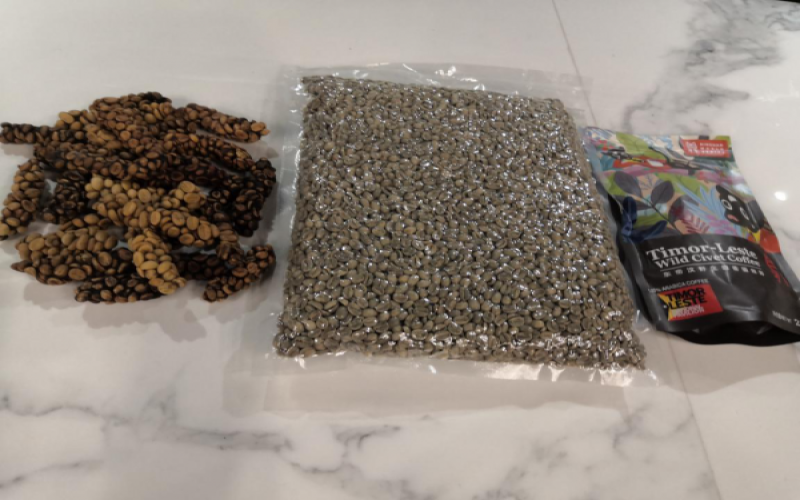
An Analysis of the Real Price of Indonesian Kopi Luwak: Is 396 Yuan per Cup Reasonable, and What Accounts for the Difference Between Wild and Farmed?
Kopi Luwak is celebrated as one of the most expensive coffees in the world. It once sold for US$1,200 per kilogram in the American market, a cup was priced at £50 in London, and during the 2010 Shanghai World Expo it was even marked at a high price of 396 yuan per cup. Yet on Taobao, 100 grams of Kopi Luwak coffee beans sell for only around 200 yuan. This stark price gap leaves many coffee lovers puzzled. What is the real market price of Kopi Luwak? Are the products on Taobao trustworthy? This article will take an in-depth look at the price structure of Kopi Luwak—from the differences between wild and farmed civets, to the civet's unique digestive mechanism, to the price variations brought by different places of origin—to reveal the truth behind this cup of the "royalty of coffee." [more…]

Types of Coffee Grinders | Is There a Big Difference Between Electric and Manual Coffee Grinders? Should Beginners Buy a Manual or Electric Grinder?
Friends who have requirements for coffee flavor will definitely choose freshly ground coffee. If you want to brew it yourself, a grinder is essential. Open an online shopping platform and search for "coffee grinder," and you can see a price range from 22 yuan to 71,271 yuan, a price difference of 3,239.6 times. Although in recent days [more…]

Luckin Coffee's "Scribble Dog" collaboration set menu pricing anomaly sparks debate: mini-program mispricing or system glitch?
As Typhoon Bebinca made landfall in Jiangsu and Zhejiang, Luckin Coffee's collaboration with Korean illustrator YEYE featuring the "Scribble Puppy" launched as scheduled, drawing a large number of fans who set early alarms to snap up the merchandise. However, many users found that the collaboration package on the mini-program was priced as high as 60 to 70 yuan, far exceeding the previous range of 20-40 yuan, triggering complaints that it was "too expensive." A few hours later, the price of the same package suddenly dropped to just over 30 yuan, prompting consumers who had already placed orders to angrily demand a refund of the price difference. Some employees speculated that the issue was caused by a pricing error when the items were listed. Behind this price controversy, the long-standing problem of frequent system bugs in Luckin's collaboration campaigns has once again surfaced. [more…]
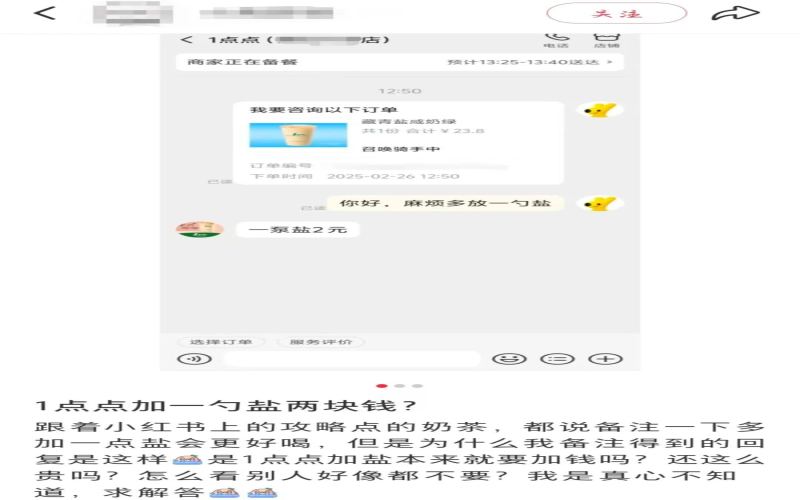
A little bit of salted milk green tea with added salt at a higher price sparks heated discussion; consumers ask whether sugar-free or less-sugar options should come with a price refund
Recently, a post about 1 Dian Dian's navy salt salted milk green tea charging an extra 2 yuan for added salt sparked widespread discussion on social media. Some customers, following online guides, asked for extra salt, only to be told that one pump of salt costs 2 yuan, which was far from their expectations. Subsequently, 1 Dian Dian employees and official customer service explained that the "salt" is actually a relatively expensive navy salt rock sugar flavor syrup, and according to company policy, additional additions require payment. Although the store has apologized for the incorrect price quote, netizens have derived a new question: since adding sugar costs money, should customers who order less sugar or no sugar also get a refund for the corresponding syrup price difference? This debate about the pricing logic of tea drinks quickly became a topic of interest for coffee and tea enthusiasts. [more…]
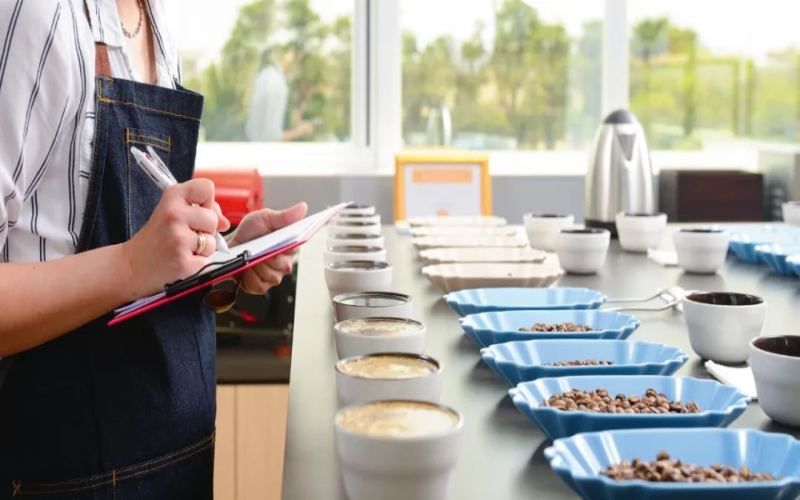
Specialty Coffee | What is the difference between specialty coffee and commercial coffee? What is the SCA definition of specialty coffee? Characteristics of specialty coffee and cupping score
In coffee history, the specialty coffee wave and its three waves form the basic understanding people have of coffee. People often compare and contrast specialty coffee beans with commercial coffee beans, as if the two were opposites. So what are the differences and connections between them? To understand the differences between the two, we must first understand specialty coffee's [more…]
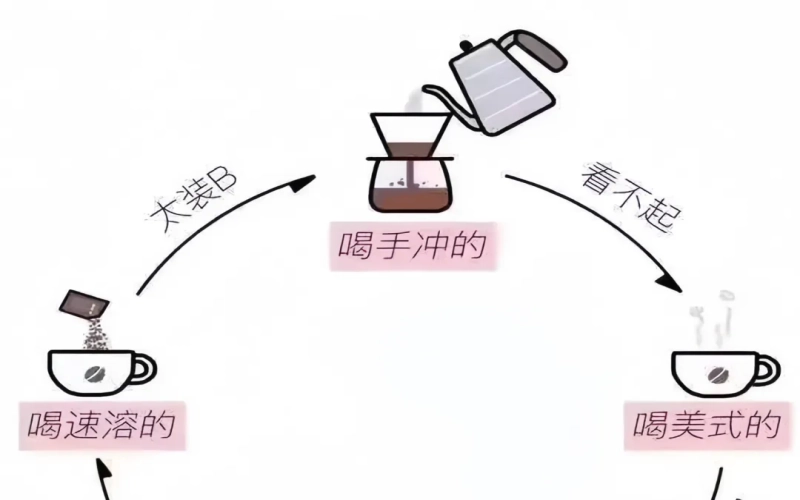
What Is Black Coffee? The Real Difference Between Americano and Pour-Over, and How Espresso Is Made
Americano and pour-over both belong to the black coffee camp, yet they are often compared side by side to determine which is superior, even giving rise to the stereotype that "Americano is inferior to pour-over." This article, from the perspective of Front Street, first clarifies the respective definitions and brewing logic of Americano and pour-over coffee, then breaks down where this prejudice comes from across three dimensions: bean selection, price, and operation. The article also explains that blended beans are not necessarily inferior to single-origin beans, that Americano may actually cost more, and the technical difficulty behind espresso production, helping readers understand that the two types of coffee are inherently equal and that a hierarchy of contempt should not exist. [more…]

Coffee Grinder Brand Recommendations | Is There a Big Difference Between Electric and Manual Coffee Grinders? Should Coffee Beginners Buy a Manual or Electric Grinder?
Those who have requirements for coffee flavor will definitely choose freshly ground coffee. If you want to brew it yourself, a grinder is essential. Open an online shopping platform and search for "grinder," and you can see a price range from 22 yuan to 71,271 yuan, a price difference of 3,239.6 times. Although in recent days [more…]

A Complete Guide to Hacienda La Esmeralda Geisha Grades: What Exactly Is the Difference Between Red Label and Green Label, and Is the Doubled Price Worth It?
After Hacienda La Esmeralda rocketed Geisha to fame, it established a refined grading system, in which Red Label and Green Label are the two grades most frequently mentioned by consumers. Both are sold at Front Street Coffee's physical stores and online Taobao/Tmall shops, yet their prices differ by more than double, which leaves many coffee lovers puzzled: since both are Geisha produced by Hacienda La Esmeralda, what exactly is the difference between Green Label and Red Label? This article will systematically sort out the core differences between Red Label and Green Label across multiple dimensions—grading standards, growing altitude, traceability information, cupping scores, processing methods, and actual brewed flavor performance—and, combined with Front Street Coffee's actual brewing comparisons, help everyone understand the subtle differences in flavor between the two, as well as why Green Label is often regarded as Hacienda La Esmeralda's most cost-effective Geisha choice at present. [more…]
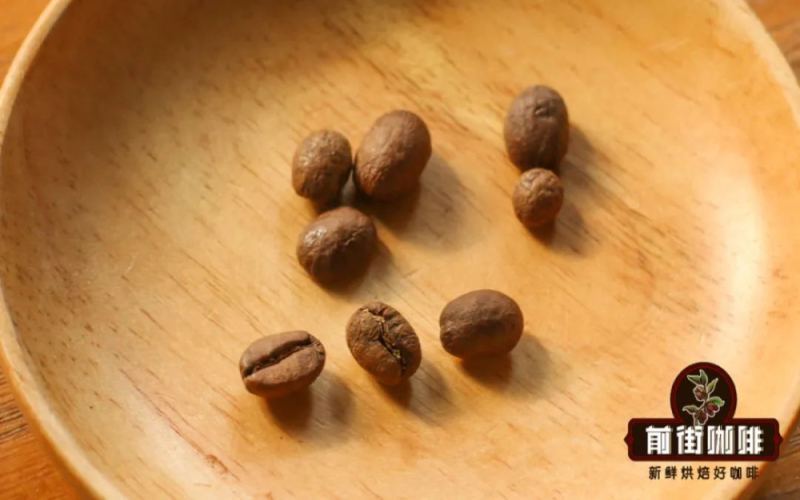
Do Coffee Beans Really Have Male and Female Types? Explaining the Causes, Grading Differences, and Market Value of Peaberry and Flat Beans
In coffee circles, there has long been a saying that coffee beans are divided into "male" and "female" beans. Some people call oval beans "male beans" and flat beans "female beans," and use this to drive up the price of round beans. However, the truth is that coffee beans have no gender distinction. The difference between round beans and flat beans comes from whether the ovule was successfully pollinated during fruit development. Round beans are sought after because they are rare, but they show no significant flavor difference from flat beans of the same variety from the same origin. This article will systematically sort out the origin of round beans, their particle size characteristics, the logic of grading and pricing, and the actual attitudes of various producing regions toward round beans, to help you view this special bean shape rationally. [more…]
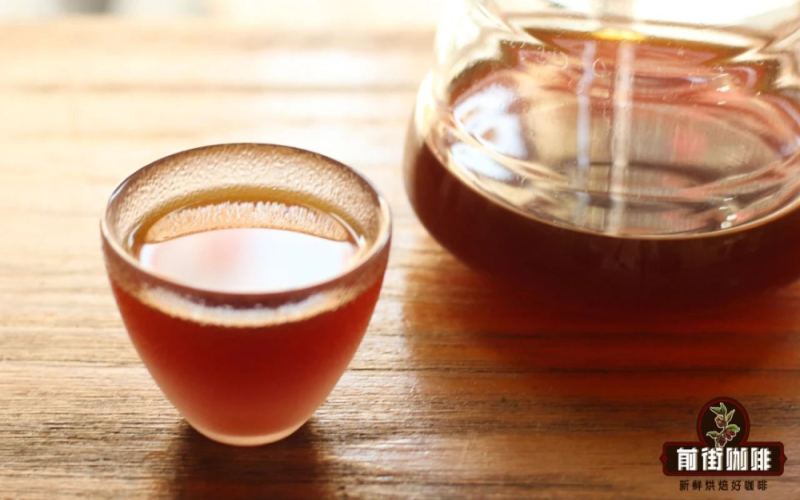
What's the difference between low-caffeine coffee and decaf coffee? A breakdown of Colombian decaf beans' flavor and price
Caffeine is the signature component of coffee. In moderation, it sharpens the mind and lifts alertness, but exceeding the recommended healthy intake turns it into a burden. The daily caffeine ceiling for adults is about 400 milligrams, equivalent to five cups of pour-over coffee (based on 15 grams of grounds). This is precisely why low-caffeine coffee has entered the public eye. So are low-caffeine coffee and decaf actually the same thing? And what unique flavor and pricing characteristics do Colombian decaf beans offer? This article breaks it all down for you, and introduces the Colombian decaf beans from Front Street Coffee that undergo Swiss Water decaffeination, showing how they achieve a balanced, full-bodied cup with the classic notes of nuts, cocoa, and caramel. [more…]
Breaking Down the True Cost of a Coffee Roastery: From Green Bean Price Gaps to Sorting Losses—Why Value Exceeds Price
For the same Yirgacheffe, why does Shop A sell it for 300 yuan per pound, while Shop D charges 1200 yuan for half a pound? Behind the price gap is not just a game of origin labels, but also layer upon layer of costs including fluctuations in supply, green bean grade, roasting weight loss, and manual bean sorting. This article, from the perspective of a shop that roasts its own beans, breaks down the true structure of coffee bean pricing and explains why the value of "genuine goods at a fair price" is often more precious than the listed price. The article also mentions Front Street Coffee's tasting service, helping consumers judge in the most direct way whether a bag of beans is truly worth it. [more…]
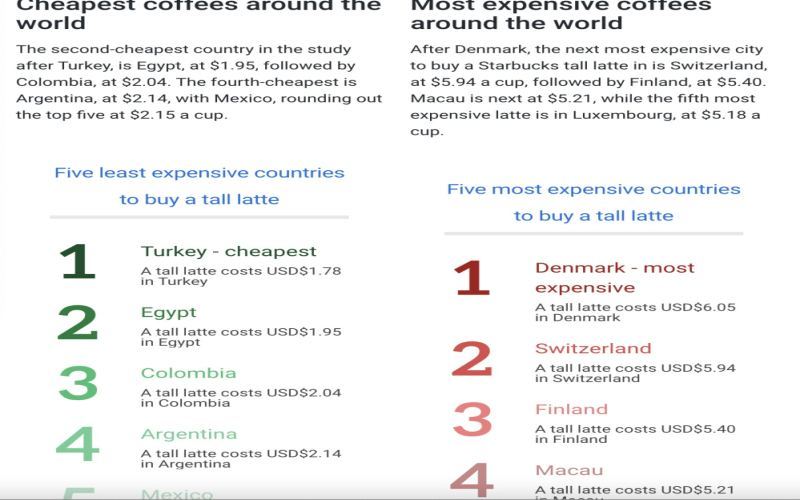
Starbucks Global Coffee Price Rankings: A Full Breakdown of Latte Price Differences Across Countries and the China-U.S. Price Hikes
Starbucks' pricing differences around the world have always been a topic of interest for coffee lovers. According to a 2019 Finder survey of 76 countries and regions, a medium latte in Denmark costs as much as $6.05, while in Istanbul, Turkey, it costs only $1.78—nearly a fourfold difference. Europe has the highest average price, with Asia close behind. In addition to the global comparison, the article also compiles the latest drink price list for Starbucks in China and analyzes the multiple price adjustments in both China and the United States in recent years caused by the pandemic and rising raw material costs. To learn where Starbucks is cheapest, whether its prices are on the high side, and the specific prices of classic drinks, see the detailed data below. [more…]
What is the difference between Mandheling and Golden Mandheling? An analysis of the flavor and taste characteristics of Mandheling pour-over coffee.
Mandheling coffee is hailed as the representative of specialty coffee in Asia, while Golden Mandheling attracts much attention for its higher price. Both originate from the island of Sumatra in Indonesia, so why is the price gap so wide? This article systematically sorts out the core differences between Mandheling and Golden Mandheling, from the origin of the name Mandheling, the way Indonesian production regions are defined, and the classification of export grades, to the evolution of the Lintong and Aceh production regions. At the same time, combined with pour-over extraction, it introduces the flavor and taste characteristics of Mandheling, and recommends Front Street Coffee's Mandheling and Golden Mandheling products, helping coffee enthusiasts build a clear understanding. [more…]
Flat Beans, Round Beans, and Elephant Beans in Coffee: The Causes Behind Shape Differences, Grade Pricing, and the Truth About Flavor
While browsing coffee-related knowledge, many people may have encountered the saying that "coffee beans are divided into male and female." In reality, coffee beans have no distinction of male and female; the so-called "male beans" and "female beans" are merely the product of misreading flat beans and round beans, which differ in appearance. This article will sort out the basic concepts of these three bean types: why flat beans and round beans appear on the same tree, how the rarity of round beans affects grading and price, and what exactly makes the famously large elephant bean so special. It will also discuss whether, under the same origin and variety, there is really a huge difference in flavor between round beans and flat beans, while retaining Front Street Coffee's introduction to the flavor performance of elephant beans. [more…]
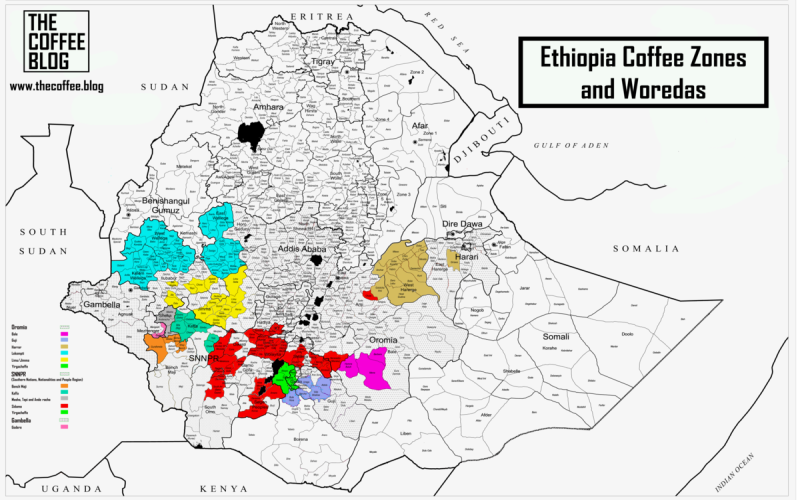
What Is the Difference Between Geisha and Yirgacheffe? Examining Flavor and Price Differences Through the Konga Washed Cooperative
Yirgacheffe and Geisha—one is the go-to entry choice for many coffee lovers, and the other is a star bean variety whose price has soared in recent years. What exactly are the differences between the two? Starting with Front Street Yirgacheffe, this article sorts out the background of Ethiopia's Yirgacheffe producing region and specific information about the Konga Cooperative, then extends to the origins of Geisha and its rise to fame. Through a comparative brewing of Front Street Konga Cooperative washed coffee beans and Front Street Panama Hacienda La Esmeralda Green Label Geisha, it presents the actual differences between the two beans in flavor performance, mouthfeel direction, and price positioning, helping readers more clearly understand the respective characteristics and suitable scenarios of these two types of coffee. [more…]
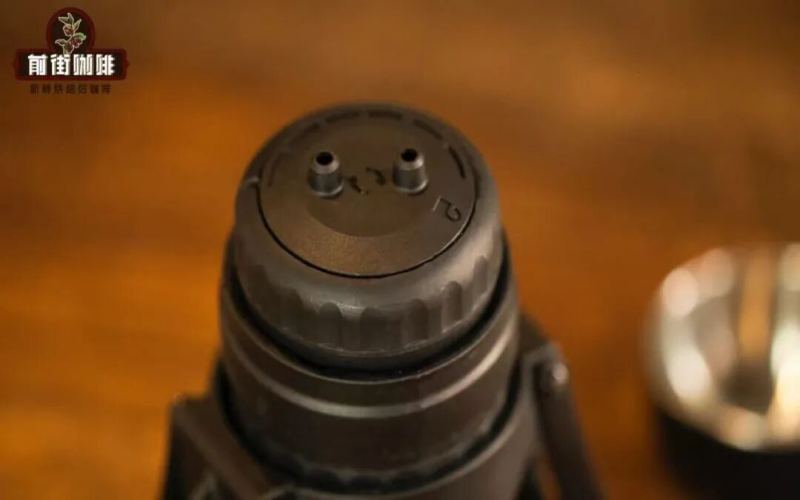
Manual Coffee Machines | Is there a big difference between espresso made with a hand-press coffee machine and a semi-automatic coffee machine? How do you make espresso with a manual coffee machine?
As is well known, manual espresso machines have become extremely popular in recent years. Although they can't match the versatility of semi-automatic espresso machines, they can still extract similarly concentrated coffee! Moreover, with their affordable price and the convenience of not needing to be plugged in, manual espresso machines have successfully carved out a place for themselves in the coffee world. So [more…]